
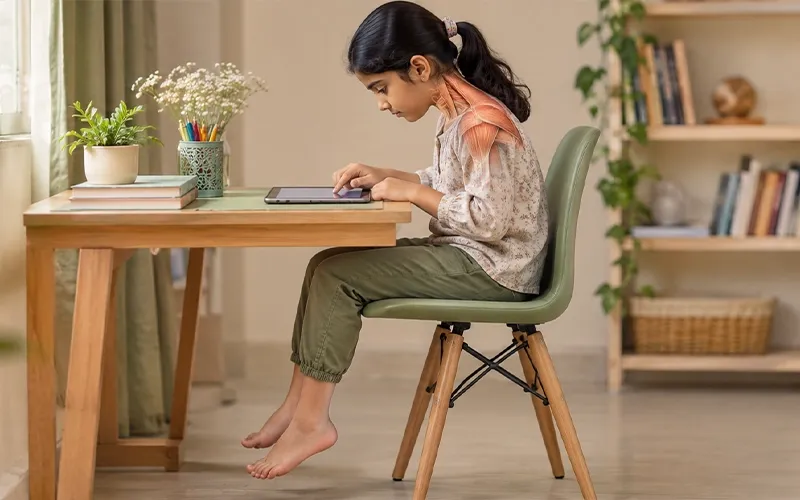

The modern digital landscape has fundamentally altered physical behavior patterns in pediatric and adolescent populations. Surging daily screen times, combined with prolonged static sitting and faulty biomechanical posturing, represent major contributing factors to the rising incidence of cervical, thoracic, and lumbar spine distress among youth.
Data presented at the World Physiotherapy Asia Western Pacific (WPAWP) Regional Conference 2026—attracting over 10,000 physical therapy experts and clinical delegates across 32 nations—emphasizes that pediatric postural strain extends far beyond transient discomfort. It demands rigorous clinical attention, preventive intervention, and therapeutic oversight.
1. Pathomechanics of Prolonged Screen Exposure and Static Sitting
Biomechanical strain during screen use is driven by static muscle contraction and repetitive anatomical load. Sustained downward gaze during smartphone or tablet interaction alters head-and-neck angles, leading to substantial cranio-cervical flexion. This downward shift exponentially increases the effective weight supported by the cervical spine, overloading the posterior paraspinal musculature, upper trapezius, and cervical intervertebral structures.
Simultaneously, extended sedentary periods reduce micro-movements necessary for spinal joint lubrication and disc nutrition. Systematic reviews and meta-analyses establish a direct correlation between prolonged sedentary habits, passive digital engagement (such as screen gaming or social media usage), and heightened reported pain across the cervical, shoulder, and lumbar regions in children and adolescents.
2. Evidence-Based Clinical Observations and Risk Factors
Clinical research investigating pediatric populations highlights several key factors associated with screen-related spinal distress:
- Age-Specific Vulnerability: Children aged 5 to 12 years demonstrate pronounced changes in head position and craniocervical flexion while operating handheld devices, particularly in unsupported sitting postures.
- Duration vs. Position: Total cumulative daily screen duration correlates directly with pain severity; however, expert panel consensus indicates that physical positioning and movement frequency are equally crucial determinants of spinal health.
- Multifactorial Etiology: Spinal discomfort in youth is rarely attributable to a single isolated cause; rather, it results from cumulative micro-trauma caused by improper ergonomics, physical inactivity, and continuous static load.
3. Comprehensive Ergonomic and Lifestyle Interventions
Addressing pediatric digital strain requires a holistic, proactive management strategy rather than complete prohibition of technology. Modern education and home routines rely on digital tools; therefore, intervention must focus on cultivating healthier screen habits and anatomical awareness.
Recommended preventive strategies include:
- Dynamic Posture Breaks: Integrating active movement intervals every 20 to 30 minutes during study or screen sessions to relieve static muscular tension.
- Ergonomic Environment Design: Utilizing age-appropriate seating, supportive backrests, and elevated screen displays to maintain eye level aligned with the top of the monitor, preventing downward head tilt.
- Physical Activity and Exercise Therapy: Encouraging regular functional exercise, core strengthening, and targeted stretching to enhance spinal support and muscular endurance.
- Early Clinical Assessment: Seeking professional evaluation promptly when a child reports recurrent or persistent neck, back, or shoulder pain to rule out underlying structural deviations.
4. Holistic & Integrative Care at Sattvaam Homoeopathic and Nutrition Clinic
At Sattvaam Homoeopathic and Nutrition Clinic, Dr. Rajal Shah integrates constitutional homoeopathic care with scientific nutritional support and postural guidance. Childhood and adolescence represent crucial anatomical growth phases. Building healthy physical habits, optimal metabolic health, and structural alignment early in life ensures long-term vitality, preventing chronic musculoskeletal impairment in adulthood.